
Comprehensive Insights into Natural Compounds for Articular Flexibility and Joint Wellness
Discover the science behind natural ingredients that support joint function and overall mobility

Introduction to Joint Health
Joint mobility is a fundamental aspect of physical well-being and daily functionality. It refers to the range of motion and flexibility that our joints possess, enabling us to perform everyday activities with ease and comfort.
Understanding the basic principles of joint health provides valuable context for recognizing how natural compounds and lifestyle factors contribute to maintaining flexibility and supporting optimal joint function.
Joint health encompasses several interconnected systems: the skeletal structure, cartilage, synovial fluid, and surrounding connective tissues. Each component plays a vital role in enabling smooth, pain-free movement. This foundational knowledge helps explain why comprehensive approaches to joint wellness—combining nutrition, activity, and natural support—are increasingly valued in health-conscious communities.
Key Natural Ingredients for Joint Support
Nature's Arsenal for Joint Function
Natural ingredients have been the subject of scientific investigation for their properties in supporting joint structure and function. These compounds, derived from plants, minerals, and dietary sources, interact with the body's own systems to promote mobility and flexibility.
- Turmeric (Curcumin): A well-studied compound with traditional wellness applications
- Glucosamine & Chondroitin: Natural components of cartilage and connective tissues
- Omega-3 Fatty Acids: Essential nutrients found in various food sources
- Boswellia Extract: A botanical ingredient with historical significance in traditional practices
- MSM: An organic sulfur compound naturally present in the body
- Collagen Peptides: Structural proteins vital for connective tissue integrity

The Role of Mobility in Everyday Life
Physical mobility extends far beyond simple exercise; it is integral to maintaining independence, quality of life, and overall well-being. The ability to move freely influences everything from performing household tasks to engaging in leisure activities and social interactions.
Joint flexibility and function support not only physical independence but also contribute to mental health, confidence, and life satisfaction. Understanding the importance of joint wellness helps contextualize why maintaining mobility throughout life is a valuable investment in long-term health and quality of living.
Modern research increasingly supports the notion that proactive approaches to joint health—combining appropriate movement, balanced nutrition, and targeted natural support—can contribute meaningfully to sustaining mobility and active living across the lifespan.
Understanding Cartilage and Connective Tissues
The Foundation of Joint Structure
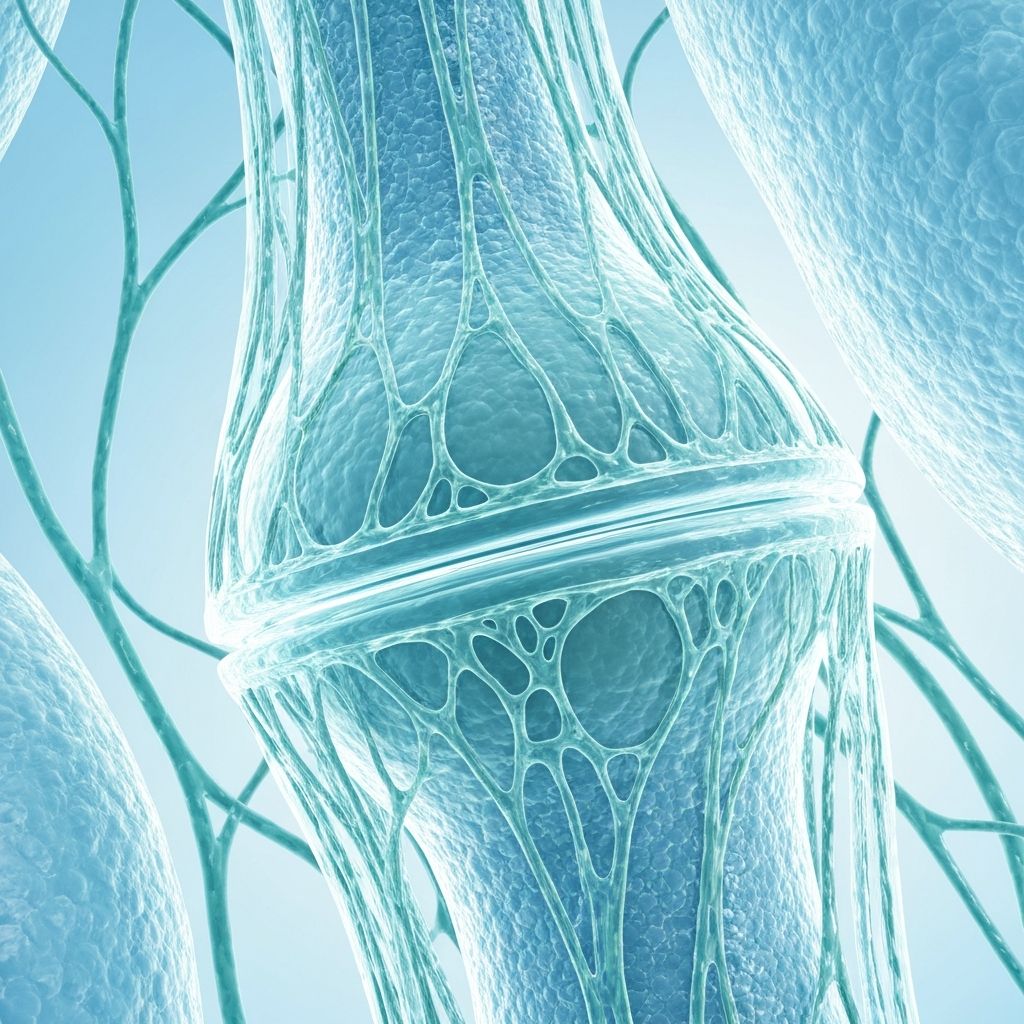
Cartilage is a specialized connective tissue that covers the ends of bones at joints, functioning as a smooth, durable surface that enables frictionless movement. It is composed of a matrix of collagen and proteoglycans, molecules that provide both structural integrity and water-binding capacity.
Beyond cartilage, the entire joint system includes ligaments, tendons, synovial fluid, and surrounding musculature. Each element contributes to the joint's overall function and stability. Synovial fluid, in particular, acts as a lubricant and nutrient distributor, maintaining the health and mobility of the joint.
The ability of these tissues to maintain their structure and function depends on adequate nutrition, appropriate movement, and biological support. This is why a comprehensive approach to joint wellness—addressing both structural support and overall body health—is considered valuable.
Dietary Approaches to Joint Wellness
Nutrition's Role in Joint Health
A balanced diet rich in various nutrients provides the building blocks for maintaining healthy joints and supporting the body's natural repair and maintenance processes. Specific dietary components have been identified as particularly relevant to joint function:
- Protein sources for structural tissue maintenance
- Omega-3 and omega-6 fatty acids for cellular signaling
- Antioxidant-rich fruits and vegetables for cellular support
- Minerals including magnesium, calcium, and zinc for structural integrity
- Hydration for synovial fluid production and joint lubrication
Beyond specific nutrients, overall dietary patterns that emphasize whole foods, adequate hydration, and balanced macronutrient distribution create an optimal nutritional environment for supporting joint wellness.

Benefits of Specific Botanical Extracts

Traditional Wisdom Meets Modern Science
Many botanical extracts have been used in traditional wellness practices for centuries, and modern scientific investigation has begun to explain their mechanisms of action. These natural compounds interact with the body's systems in ways that support joint function and flexibility.
Turmeric and Curcumin: This golden spice contains curcumin, which has been extensively studied for its properties in supporting bodily comfort and cellular function. It plays a role in natural inflammatory responses within the body.
Boswellia Serrata: This resin extract from the Boswellia tree has been used traditionally across cultures for its purported benefits to joint and mobility support. Recent research has focused on understanding its biochemical interactions.
Ginger: Another traditional remedy, ginger contains bioactive compounds that may support the body's natural comfort responses and contribute to overall wellness.
Lifestyle Factors for Maintaining Flexibility
Movement and Activity
Regular, gentle physical activity is one of the most effective ways to maintain joint flexibility and function. Movement promotes the circulation of synovial fluid, strengthens supporting muscles, and maintains the structural integrity of connective tissues.
Recommended activities include:
- Walking and moderate aerobic activities
- Stretching and flexibility exercises
- Strength training to support joint stability
- Water-based activities like swimming
- Yoga and tai chi for balance and coordination
Additional lifestyle factors: Proper sleep, stress management, and hydration all contribute to joint wellness. These elements work together to support the body's natural repair processes and maintain optimal joint function.

Common Misconceptions About Joint Supplements
There are several widespread misconceptions about joint supplements and natural compounds that warrant clarification:
Misconception 1: Instant Results
Natural compounds work gradually within the body's complex systems. Supporting joint health is a long-term process that requires consistent lifestyle approaches, not a quick fix.
Misconception 2: Replacement for Professional Care
Natural compounds complement a healthy lifestyle but do not replace professional medical guidance. Individuals with specific health concerns should consult qualified healthcare providers.
Misconception 3: One-Size-Fits-All Approach
Individual responses to natural compounds vary significantly based on genetics, diet, activity level, and overall health status. What works for one person may differ for another.
Scientific Overview of Joint Nutrients
How Nutrients Support Joint Physiology
Scientific research has identified specific mechanisms through which various nutrients interact with joint tissues and biological processes. Understanding these relationships helps explain why comprehensive nutritional approaches are valued:
Structural Support: Collagen, glucosamine, and chondroitin provide the raw materials for cartilage formation and maintenance. These compounds are integral to the structural matrix of connective tissues.
Inflammatory Modulation: Omega-3 fatty acids and certain botanical compounds help regulate the body's natural inflammatory responses, promoting balance and comfort within joint tissues.
Cellular Communication: Various nutrients support cell signaling pathways that regulate tissue repair and maintenance at the cellular level.
Antioxidant Protection: Compounds like curcumin and other polyphenols help protect cells from oxidative stress, supporting overall joint tissue health.
Exploring the Concept of Bioavailability
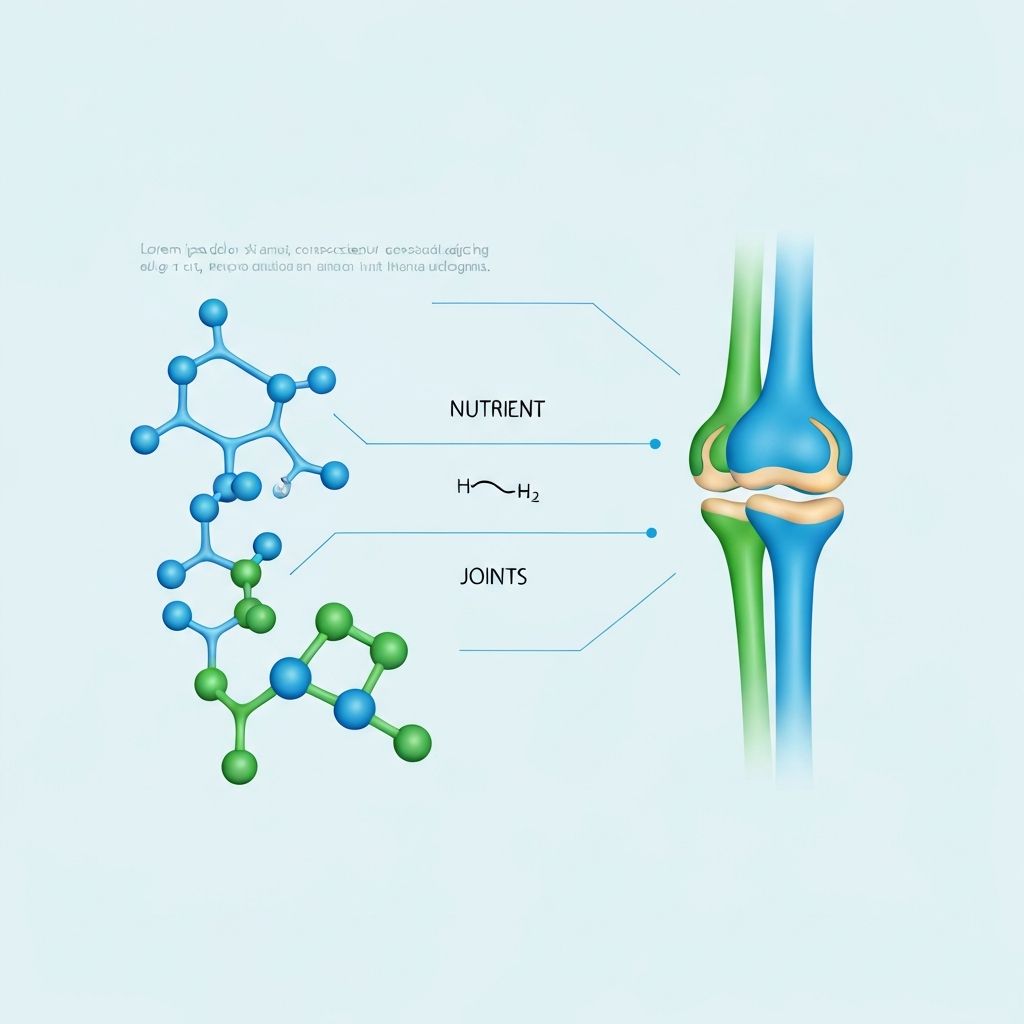
Bioavailability is a crucial concept in understanding how natural compounds support joint health. It refers to the proportion of an ingested nutrient that is absorbed and made available for the body's use.
Several factors influence bioavailability: compound structure, digestive environment, presence of other nutrients, individual metabolism, and the form in which the nutrient is consumed. For example, curcumin's bioavailability is significantly enhanced when consumed with black pepper (piperine), which is why many traditional preparations combine these ingredients.
Understanding bioavailability helps explain why comprehensive dietary approaches—combining various nutrients and foods—are often more effective than relying on isolated components. The synergistic interaction of multiple compounds from whole foods or carefully formulated combinations can enhance the body's ability to utilize these beneficial substances.
Daily Habits for Long-Term Joint Comfort
Maintaining joint health is fundamentally about consistency in daily practices. Small, sustainable habits, when practiced regularly over time, create significant cumulative benefits:
- Morning Mobility Routine: Begin each day with gentle stretching or light activity to awaken joints and improve circulation
- Consistent Hydration: Drinking adequate water throughout the day supports synovial fluid production and nutrient transport
- Mindful Movement: Incorporate movement throughout the day, avoiding prolonged periods of immobility
- Proper Nutrition: Make dietary choices that support the body's structure and function on a daily basis
- Adequate Sleep: Prioritize quality sleep to allow the body's natural repair and recovery processes to function optimally
- Stress Management: Practice stress-reduction techniques that promote overall well-being and support joint health
- Regular Activity: Maintain consistent physical activity appropriate to individual ability and fitness level
These habits, practiced consistently, form the foundation of long-term joint wellness and support the effectiveness of nutritional approaches.
Glossary of Key Terms
Further Educational Resources
For those interested in deepening their understanding of joint health, natural compounds, and wellness, numerous reputable educational resources are available. Academic journals, health organizations, and evidence-based information platforms provide comprehensive scientific information on topics related to joint wellness.
Resources worth exploring include peer-reviewed scientific literature, publications from established health and nutrition organizations, university-based health information centers, and evidence-based wellness educational platforms. These sources provide verified, well-researched information that can supplement the knowledge presented on this site.
Consulting with qualified healthcare professionals who have expertise in nutrition and botanical medicine can also provide personalized guidance aligned with individual health circumstances and goals.
Educational content only. No promises of outcomes. This website provides informational content about natural compounds and joint wellness. It is not a substitute for professional medical advice, diagnosis, or treatment. Please consult with qualified healthcare professionals for personalized guidance regarding your health and well-being.