
Movement and Active Engagement
The role of consistent physical activity, stretching, and gentle movement in maintaining flexibility, strength, and well-being.
The Importance of Regular Movement
Maintaining Physical Function
Regular physical activity is one of the most powerful tools for maintaining mobility, strength, and overall function. Movement stimulates muscle fibers, enhances circulation, promotes bone density, and supports neurological function. These effects accumulate over time, contributing to maintained capability and independence.
The body is designed for movement. Sedentary lifestyles are associated with functional decline, while consistent activity is associated with maintained vitality across all age groups.
Types of Beneficial Movement
Walking, stretching, gentle yoga, swimming, cycling, gardening, and dancing all provide forms of movement that support well-being. Different types of activity provide different benefits. Aerobic activities support cardiovascular health, resistance activities build strength, and flexibility activities maintain range of motion.
The most effective approach combines varied types of movement. Consistency matters more than intensity for most people seeking to maintain function and well-being.
Explore Other Topics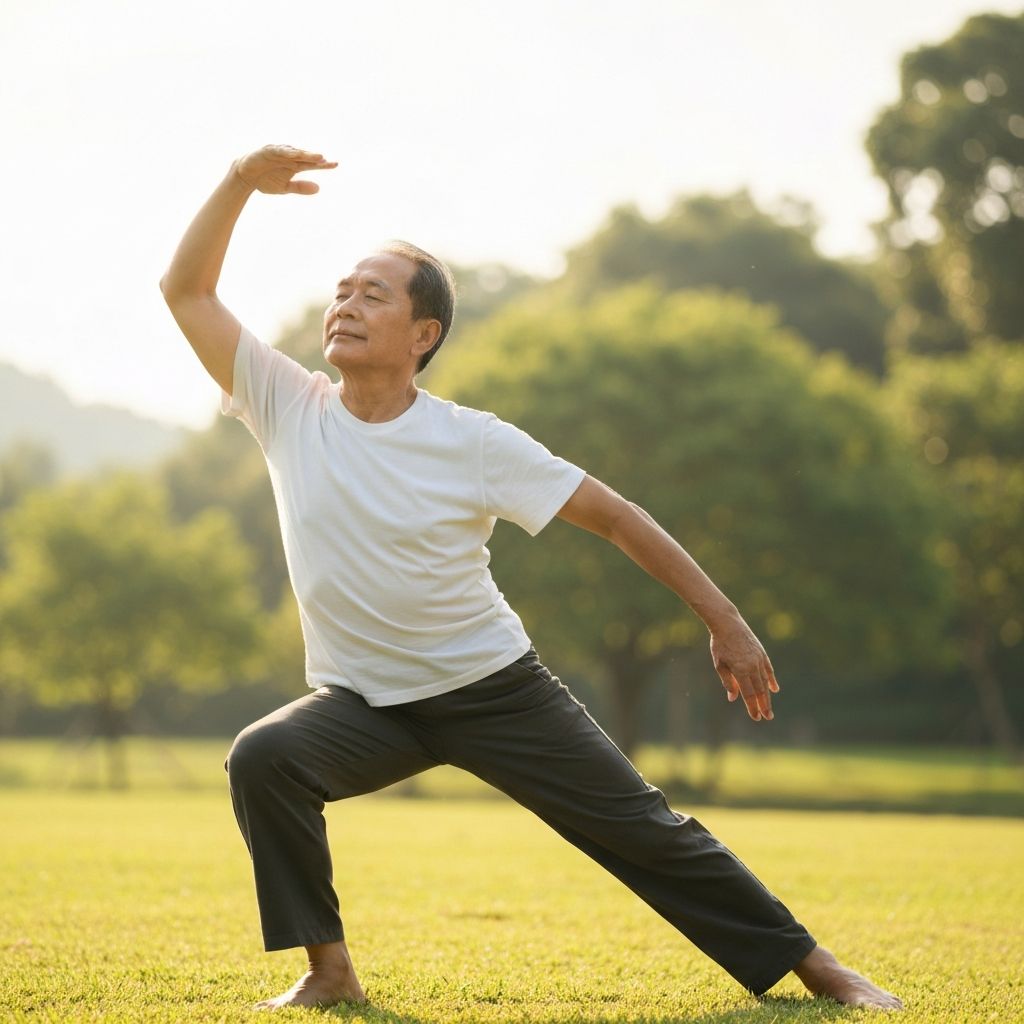
Movement, Flexibility, and Joint Health
Flexibility and Range of Motion
Regular stretching and movement maintain flexibility and the range of motion in joints, essential for comfortable functioning and preventing stiffness.
Muscle Strength and Support
Strong muscles provide support and stability for joints and bones, reducing stress on these structures and maintaining overall mobility.
Circulation and Nutrition
Movement enhances blood circulation, improving delivery of oxygen and nutrients to tissues, including joint structures.
Neurological Function
Physical activity maintains nerve function and coordination, essential components of smooth, controlled movement.
Building Movement Into Daily Life
The most sustainable approach to maintaining activity is integrating movement into daily routines rather than viewing it as a separate task. Taking stairs, walking for transportation, gardening, playing with grandchildren, or pursuing hobbies that involve movement all contribute to maintaining function.
Consistency over time produces results far more effectively than sporadic intense effort. Starting gently and building gradually allows the body to adapt safely and sustainably.
Activity Disclaimer
Not a medicinal product. Consult a doctor before use.
Before beginning any new exercise program, especially if you have existing health conditions, consult with a qualified healthcare provider to ensure the activities are appropriate for your individual situation.
This article provides educational context about the role of movement in well-being but does not constitute personalized medical or fitness advice.